
Blast Mitigation in the Gulf Countries: Polyurea Guide
-
- April 25, 2026

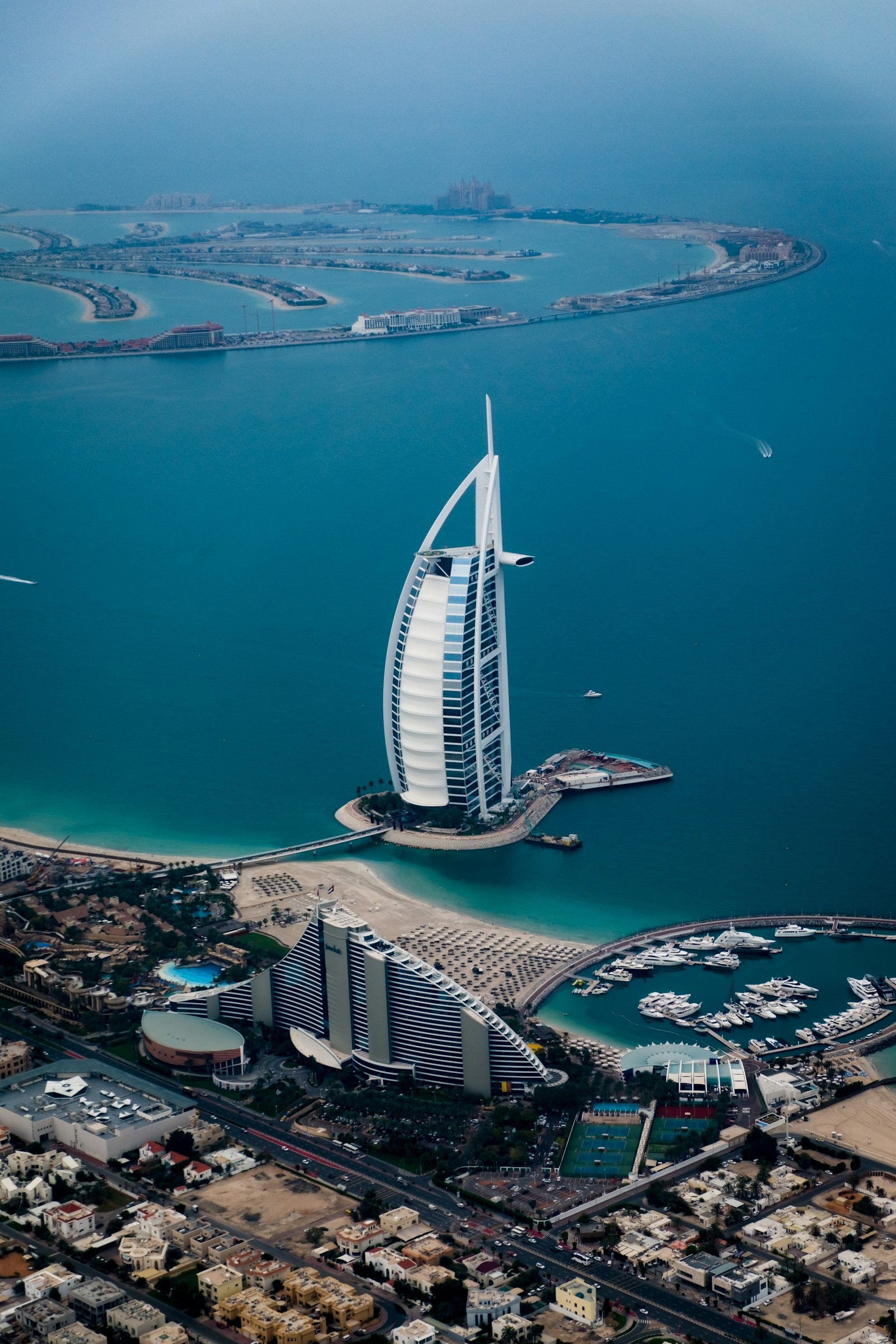
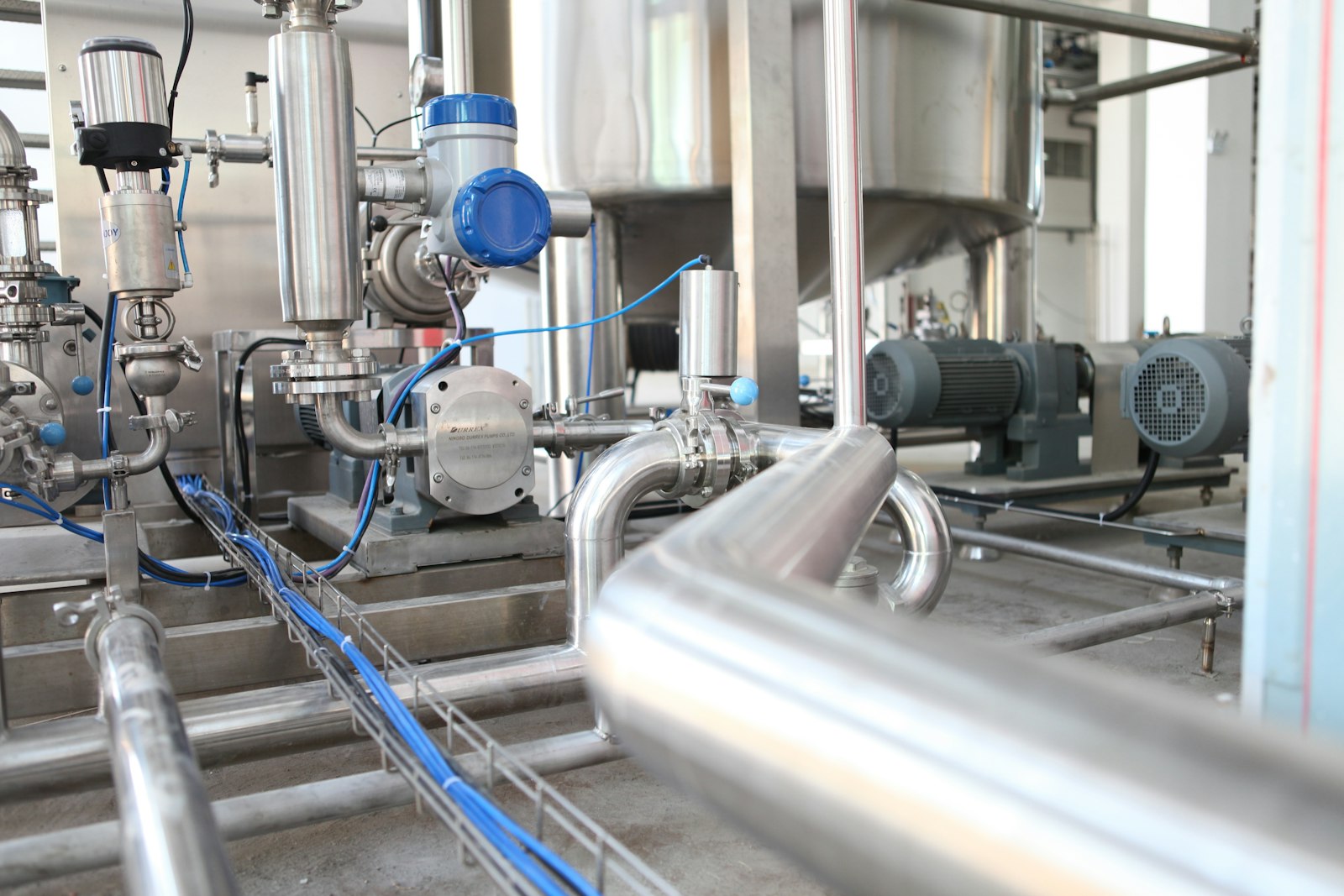

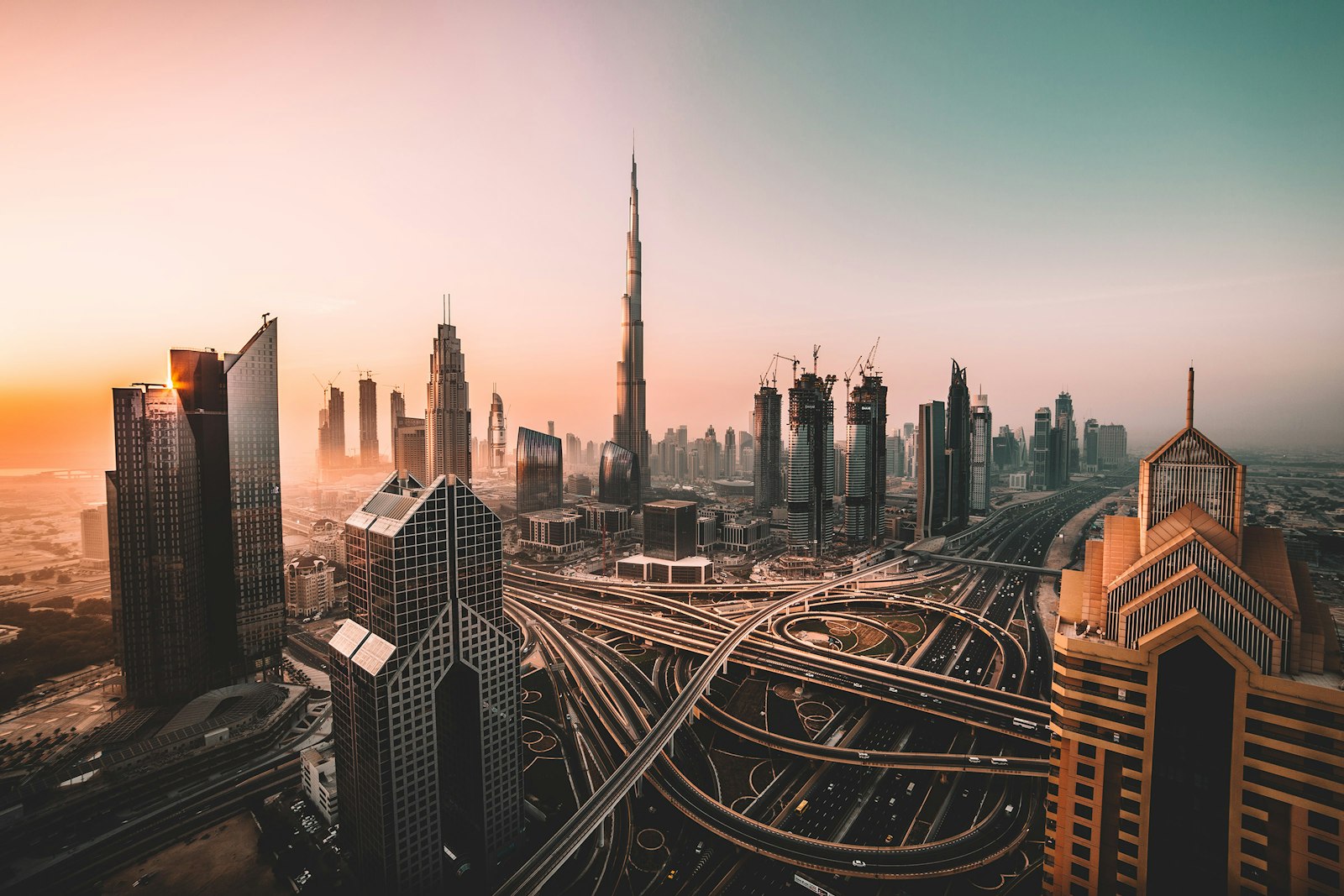
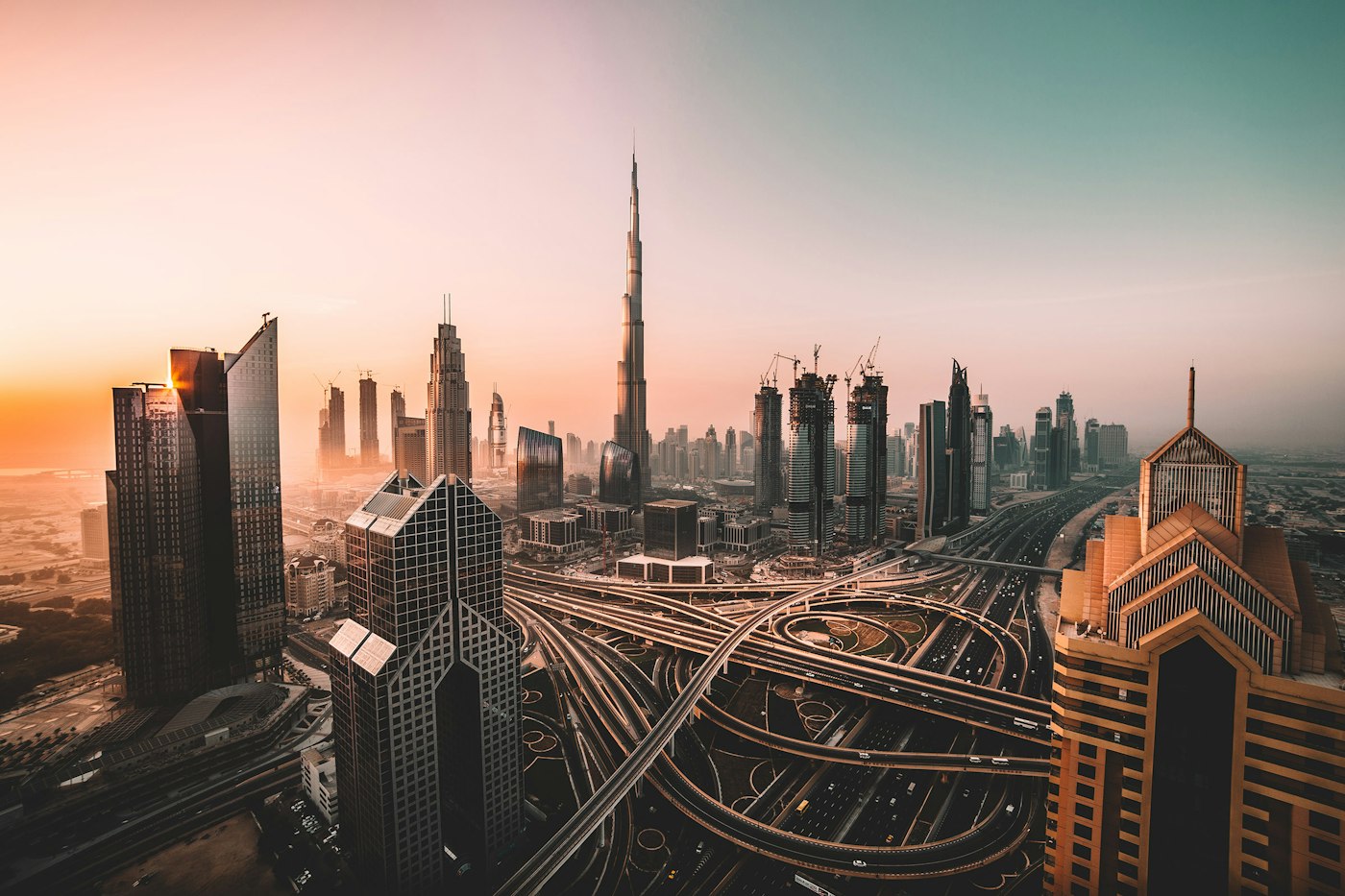
Blast mitigation in the Gulf countries has evolved from a niche military concern into a strategic pillar of national infrastructure resilience. From oil & gas terminals along the Strait of Hormuz to royal palaces, embassies, stadiums, and critical data centers, the Gulf Cooperation Council (GCC) is investing heavily in advanced protective coatings, hardened structures, and engineered standoff systems designed to absorb, deflect, and dissipate explosive energy.
This in-depth guide explains how blast mitigation works in the unique climatic and geopolitical conditions of the Arabian Gulf, why ArmorThane polyurea coatings have emerged as the gold-standard solution, and how a recent landmark agreement is bringing certified blast-resistant systems to eight Gulf nations simultaneously.
1. Why Blast Mitigation Matters in the Gulf
The Gulf region sits at the intersection of three realities that make blast mitigation in the Gulf countries a national-security priority: enormous concentrations of high-value energy infrastructure, dense urban centers built around landmark assets, and a regional threat environment that has produced credible attacks on pipelines, tankers, and government facilities over the past decade.
Approximately 30% of the world’s seaborne crude oil passes through the Strait of Hormuz, and the GCC collectively hosts more than 200 critical facilities classified as “high-value protected assets.” Add to that the rapid expansion of giga-projects like NEOM, the Red Sea Project, Lusail, and Yas Island — and the demand for proven blast-mitigation technology has never been greater.
2. The Modern Threat Landscape
Threat profiles across Gulf countries in the 2020s have shifted markedly. While traditional vehicle-borne IEDs (VBIEDs) remain a baseline concern, Gulf security planners now model a much wider threat matrix:
Drone & UAS Strikes
Loitering munitions and weaponized commercial drones capable of precision strikes against fuel storage and substations.
Maritime Limpet Mines
Underwater explosive devices targeting tankers and offshore platforms, requiring hull and dock-line hardening.
Standoff Rockets
Short and medium-range projectiles fired at industrial installations and population centers across the Gulf region.
Insider & Sabotage Threats
Internal-threat scenarios involving small charges placed against control rooms, switchgear, or fuel lines.
Key Insight: Modern Gulf blast-mitigation specifications no longer focus only on “surviving” a blast. The new benchmark is operational continuity — a facility must remain fully functional, with no spalling, fragmentation, or secondary failure, even after a credible attack.
3. What Is Blast Mitigation?
Blast mitigation is the engineered process of reducing the lethal and structural effects of an explosion through three coordinated mechanisms: energy absorption, fragment containment, and structural confinement. A complete blast mitigation system combines several layers — reinforced concrete, blast-rated glazing, ballistic membranes, and high-performance polymer coatings.
The single most important shift in the past decade has been the move from passive mass-based hardening (thicker walls, more rebar) to active polymer-reinforced systems that are lighter, faster to install, and dramatically more effective per kilogram of material applied.
The Three Pillars of Effective Blast Mitigation
| Pillar | Function | Common Gulf Solutions |
|---|---|---|
| Energy Absorption | Convert blast pressure into heat & deformation | Sprayed polyurea, polyurethane elastomers, foam composites |
| Fragment Containment | Prevent secondary fragmentation injuries | Fiber-reinforced polyurea, aramid liners, anti-spall films |
| Structural Confinement | Maintain load path & prevent collapse | CFRP wraps, hybrid steel-polymer jacketing, hardened cores |
4. Polyurea: The Game-Changing Coating for Gulf Blast Mitigation
Among all materials evaluated by GCC defense ministries and infrastructure authorities, spray-applied polyurea has emerged as the most cost-effective and high-performing solution for blast mitigation. Modern pure polyurea systems cure in seconds, achieve elongations exceeding 400%, and can be applied to virtually any substrate — concrete, CMU, steel, plywood, or composites — making them ideal for the Gulf’s diverse project types.
Why Polyurea Outperforms Traditional Blast Hardening
Tensile Strength
Up to 4,500 psi tensile with elongation above 400%, allowing the membrane to stretch and absorb blast energy before failing.
Heat & UV Resistance
Critical for the Gulf, where surface temperatures regularly exceed 70°C in summer — pure polyurea retains elastomeric properties throughout.
Seamless Monolithic Bond
No joints, no seams — the entire treated structure becomes a unified protective shell with zero weak points.
Rapid Return-to-Service
Walk-on cure in minutes; full service in hours — vital for active military and energy facilities that cannot afford downtime.
Corrosion & Salt Spray
Excellent resistance to chloride attack — essential for coastal Gulf installations exposed to salt-laden marine air.
Independently Tested
Live-fire and arena-test data certified to U.S. Army Corps of Engineers and NATO STANAG protocols.
Polyurea fundamentally changed the economics of blast mitigation. We can now harden a 1,000 m² facility in two days instead of two months — and at a fraction of the structural cost.
— Tyler Gleckler, Coatings Specialist & Writer, Polyurea Magazine5. Blast Mitigation: Country-by-Country Gulf Overview
Each GCC nation approaches blast mitigation through its own regulatory framework, but a shared trend is the move toward unified protective-coatings standards across the bloc. Below is a current-state overview of blast mitigation requirements and activity in each of the eight Gulf countries.
Saudi Arabia
The Kingdom leads the region in blast-mitigation scale, with Vision 2030 giga-projects driving demand for blast-rated perimeters at NEOM, Qiddiya, and the Red Sea Project. The Saudi Ministry of Interior now mandates polyurea or equivalent flexible membrane systems on all Tier-1 critical infrastructure.
United Arab Emirates
Abu Dhabi’s Critical Infrastructure and Coastal Protection Authority (CICPA) has adopted some of the most stringent blast-mitigation specifications globally, requiring multi-layer polyurea systems on petrochemical complexes in Ruwais and on perimeter walls of sensitive ministries in both Abu Dhabi and Dubai.
Qatar
Following the World Cup security build-out, Qatar’s Internal Security Force standardized blast-mitigation coatings for stadiums, metro stations, and LNG facilities at Ras Laffan — one of the most concentrated LNG zones on earth.
Kuwait
The Kuwait Oil Company (KOC) and Kuwait National Petroleum Company (KNPC) have rolled out mandatory polyurea retrofits on all upstream and downstream control rooms following lessons learned from regional incidents involving industrial blast events.
Bahrain
Hosting the U.S. Fifth Fleet, Bahrain maintains uniquely high blast-mitigation standards for naval and embassy hardening. Polyurea systems are deployed across pier facilities, fuel farms, and base perimeter walls.
Oman
Oman’s Duqm Special Economic Zone and the strategic Port of Salalah are receiving extensive blast-mitigation upgrades, including hardened control rooms and polyurea-treated tank farms serving regional energy logistics.
Iraq
Reconstruction efforts across Iraq have prioritized blast-resistant ministries, refineries at Baiji and Basra, and embassy compounds. Polyurea is now part of standard reconstruction and hardening specifications.
Jordan
Although technically Levantine, Jordan operates closely with GCC defense partners and has integrated GCC blast-coating standards into its border facilities, forward military outposts, and royal protection programs.
6. Key Blast Mitigation Applications in the Gulf
Embassy & Consulate Walls
Perimeter and facade hardening to U.S. Department of State SD-STD-02.01 blast standards.
Oil & Gas Facilities
Tank farms, pump stations, and control rooms protected with polyurea and intumescent blast overlays.
Stadiums & Public Venues
Soft-target hardening for arenas, transit hubs, and major event venues across the Gulf.
Military Bunkers & Shelters
Sprayed polyurea liners on hardened aircraft shelters, ammunition magazines, and blast doors.
Sovereign Data Centers
AI compute and government cloud facilities hardened against drone strikes and rocket fragments.
Royal & VIP Residences
Discreet interior blast-mitigation coatings on safe rooms, corridors, and security walls.
Naval Vessels & Piers
Anti-spall, anti-corrosion membranes on hulls, dock structures, and fuel pier pilings.
Border Walls & Outposts
Rapid-deploy hardening of guard towers, vehicle barriers, and forward operating bases.
7. ArmorThane & the Historic 8-Country GCC Blast Mitigation Contracts
In a watershed announcement for the protective-coatings industry, ArmorThane — the global leader in pure polyurea and polyurethane spray systems — has been awarded blast-mitigation contracts spanning eight Gulf countries simultaneously. This historic agreement covers government infrastructure, energy assets, and defense facilities across Saudi Arabia, the UAE, Qatar, Kuwait, Bahrain, Oman, Iraq, and Jordan.

The deal positions ArmorThane as the dominant supplier of certified blast-mitigation polyurea across the Gulf region. Read the full announcement in the official ArmorThane press release covering the eight-country Gulf contract awards.
Why This Matters: By standardizing on a single, independently tested polyurea platform across all eight Gulf states, regional defense and infrastructure owners now benefit from interoperable specifications, faster delivery timelines, and economies of scale previously impossible in fragmented procurement. ArmorThane serves as both the formulator and the technical training authority for the certified applicator network.
What’s Included in the ArmorThane GCC Program
| Country | Primary Asset Class | Estimated Coverage |
|---|---|---|
| Saudi Arabia | Energy & Vision 2030 perimeters | 2.4 M m² |
| UAE | Petrochemical & ministry walls | 1.8 M m² |
| Qatar | LNG & stadium hardening | 1.1 M m² |
| Kuwait | KOC/KNPC control rooms | 820 k m² |
| Bahrain | Naval & embassy facilities | 410 k m² |
| Oman | Duqm SEZ & Salalah port | 650 k m² |
| Iraq | Refineries & reconstruction | 1.3 M m² |
| Jordan | Border & royal protection | 520 k m² |
8. Blast Mitigation Standards, Testing & Certifications
Effective blast-mitigation specification across the Gulf is anchored to a portfolio of internationally recognized testing and certification frameworks. Buyers should always demand independent third-party arena-test reports rather than manufacturer in-house claims when sourcing blast-resistant coatings.
UFC 4-010-01
U.S. Department of Defense Minimum Antiterrorism Standards for Buildings — the de facto Gulf benchmark for blast hardening.
ASTM F1642
Standard Test Method for Glazing and Glazing Systems Subject to Airblast Loadings.
ISO 16933 / 16934
Glass & glazing arena tests — frequently extended to wall coatings in Gulf RFP requirements.
NATO STANAG 2280
Design threat levels for protected structures, widely referenced by Gulf MoDs for blast mitigation specs.
SD-STD-02.01
U.S. Department of State physical security standard for embassy and consulate blast hardening.
ArmorThane Master Applicator
The ArmorThane Master Applicator certification program guarantees specification-grade polyurea installation across the GCC.
9. Choosing the Right Gulf Blast Mitigation Partner
Selecting a coatings partner for a Gulf blast-mitigation project is fundamentally different from selecting a paint contractor. The wrong choice can compromise certifications, void warranties, and — most importantly — fail under live-threat conditions. Use the following framework when evaluating proposals.
Pure Polyurea, Not Hybrids
Insist on 100% pure polyurea (not polyurethane or hybrids) for primary blast layers — only pure polyurea retains performance at 70°C+.
Live-Fire Test Reports
Request independent arena-test reports (Aberdeen, NMERI, or equivalent), not just data sheets or simulations.
Regional Applicator Network
The supplier must operate certified applicators in-country, not parachute crews flown in for one job.
Long-Term Warranty
Minimum 10-year membrane warranty is now standard for GCC Tier-1 blast-mitigation work.
Climate Track Record
Verifiable installations operating successfully in 50°C+ ambient conditions for 5+ years across the Gulf.
Single-Source Accountability
One vendor for formulation, equipment, training, and warranty — exactly the ArmorThane model.
Ready to Specify Blast Mitigation for Your Gulf Project?
ArmorThane’s regional engineering team supports specifiers, EPC contractors, and government buyers across all eight Gulf countries — from initial threat modeling to certified applicator selection and long-term warranty.
Contact ArmorThane →10. Blast Mitigation in the Gulf — Frequently Asked Questions
What is the most effective blast mitigation coating for Gulf climates?
Pure polyurea spray systems consistently outperform alternatives because they retain elastomeric properties up to 80°C, resist UV and chloride exposure, and bond seamlessly to concrete and steel. ArmorThane’s pure-polyurea formulations are specified across all eight GCC contract countries.
How thick does a polyurea blast-mitigation coating need to be?
Thickness depends on the threat level. Typical Gulf specifications range from 6 mm for low-threat embassy walls to 25 mm for high-threat petrochemical installations. Live-fire arena testing determines the exact requirement for each project.
Does polyurea replace structural reinforcement?
No. Polyurea works as a force-multiplier alongside conventional reinforcement. It dramatically reduces fragmentation and increases ductility, but the underlying structure must still meet code-required load paths.
How long does a blast-rated polyurea installation last in the Gulf?
With proper surface preparation and a UV-stable topcoat, ArmorThane polyurea installations regularly exceed 20 years of service life in coastal GCC environments — substantially longer than competing systems.
Can existing Gulf buildings be retrofitted with blast mitigation coatings?
Yes — retrofitting is one of the largest market segments. Existing concrete and CMU walls can be cleaned, primed, and sprayed with polyurea in days rather than the weeks required for traditional structural retrofits.
Where can I read more about ArmorThane’s Gulf blast mitigation contracts?
Full details are available in the official ArmorThane press release announcing the eight-country GCC blast-mitigation program.